Choosing the best coffee beans for home brewing is one of the most important steps in making great coffee at home. Even if you own an expensive coffee machine, poor-quality beans will still result in weak flavor and an unpleasant taste.
Fortunately, selecting the right coffee beans is not difficult. With the right knowledge, anyone can brew café-quality coffee at home. In this complete guide, you will learn how to choose coffee beans based on type, roast level, freshness, origin, and brewing method.
As a result, this article will help beginners and experienced coffee lovers make better buying decisions.
Why Choosing the Right Coffee Beans Is Important
Coffee quality starts with the beans. Therefore, understanding what you buy directly affects the final cup.
High-quality beans offer:
-
Better aroma
-
Balanced flavor
-
Natural sweetness
On the other hand, low-quality beans often taste bitter or flat. Because of this, many people think home-brewed coffee is inferior to café coffee.
However, when you choose the right beans, home brewing becomes both enjoyable and rewarding.
Types of Coffee Beans You Should Know
Before buying coffee, it is important to understand the two main types of beans available in the market.
Arabica Coffee Beans (Best for Home Brewing)
Arabica beans are the most popular choice for home brewers. In fact, most specialty coffee brands use 100% Arabica beans.
Key characteristics:
-
Smooth and complex flavor
-
Fruity, chocolatey, or floral notes
-
Lower bitterness
-
Lower caffeine content
Because of their balanced taste, Arabica beans are ideal for beginners and advanced coffee drinkers alike.
Robusta Coffee Beans
Robusta beans are stronger and contain more caffeine. However, they usually lack flavor complexity.
Main features:
-
Strong and bitter taste
-
Higher caffeine
-
Earthy or woody notes
For this reason, Robusta beans are more common in instant coffee and commercial blends. They are not recommended for most home brewing setups.
Single-Origin Coffee vs Coffee Blends
What Is Single-Origin Coffee?
Single-origin coffee comes from one specific region, farm, or country. Because of this, the flavor reflects the unique climate and soil of that area.
Benefits of single-origin coffee:
For example, single-origin Arabica coffee from Indonesia often delivers rich body and fruity notes.
What Are Coffee Blends?
Coffee blends combine beans from different regions. As a result, the flavor remains consistent throughout the year.
Advantages of blends:
-
Balanced taste
-
Reliable flavor
-
Beginner-friendly
Blends work well for daily consumption and espresso brewing.
Understanding Coffee Roast Levels
Roast level plays a major role in taste. Therefore, choosing the right roast is essential.
Light Roast Coffee Beans
Light-roasted beans preserve the coffee’s natural flavor.
Best features:
-
Bright acidity
-
Fruity and floral notes
-
Higher caffeine
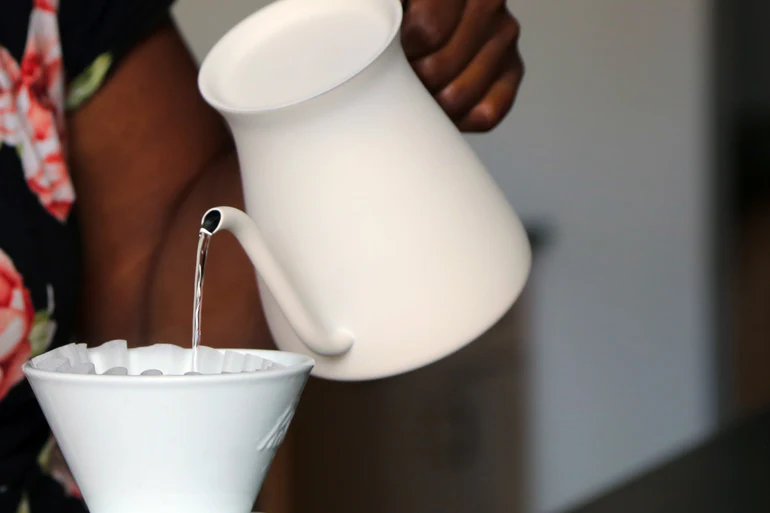
Light roasts work best for pour-over and drip coffee methods.
Medium Roast Coffee Beans
Medium roast is the most common choice for home brewing.
Why people prefer it:
-
Balanced flavor
-
Smooth body
-
Mild acidity
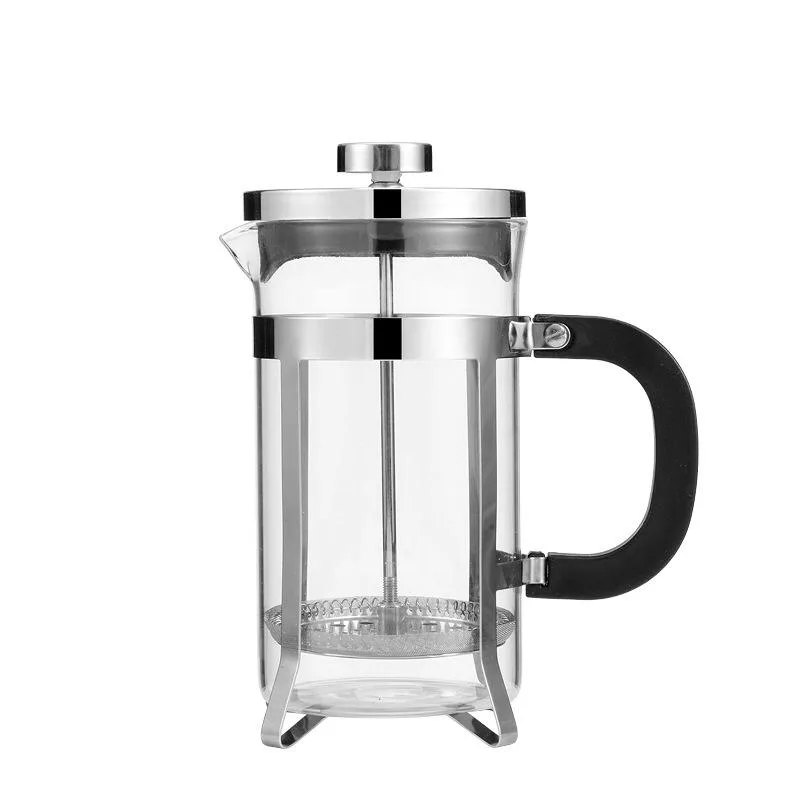
This roast level works well with drip machines and French press brewing.
Dark Roast Coffee Beans
Dark roast beans have a bold and smoky taste.
Characteristics:
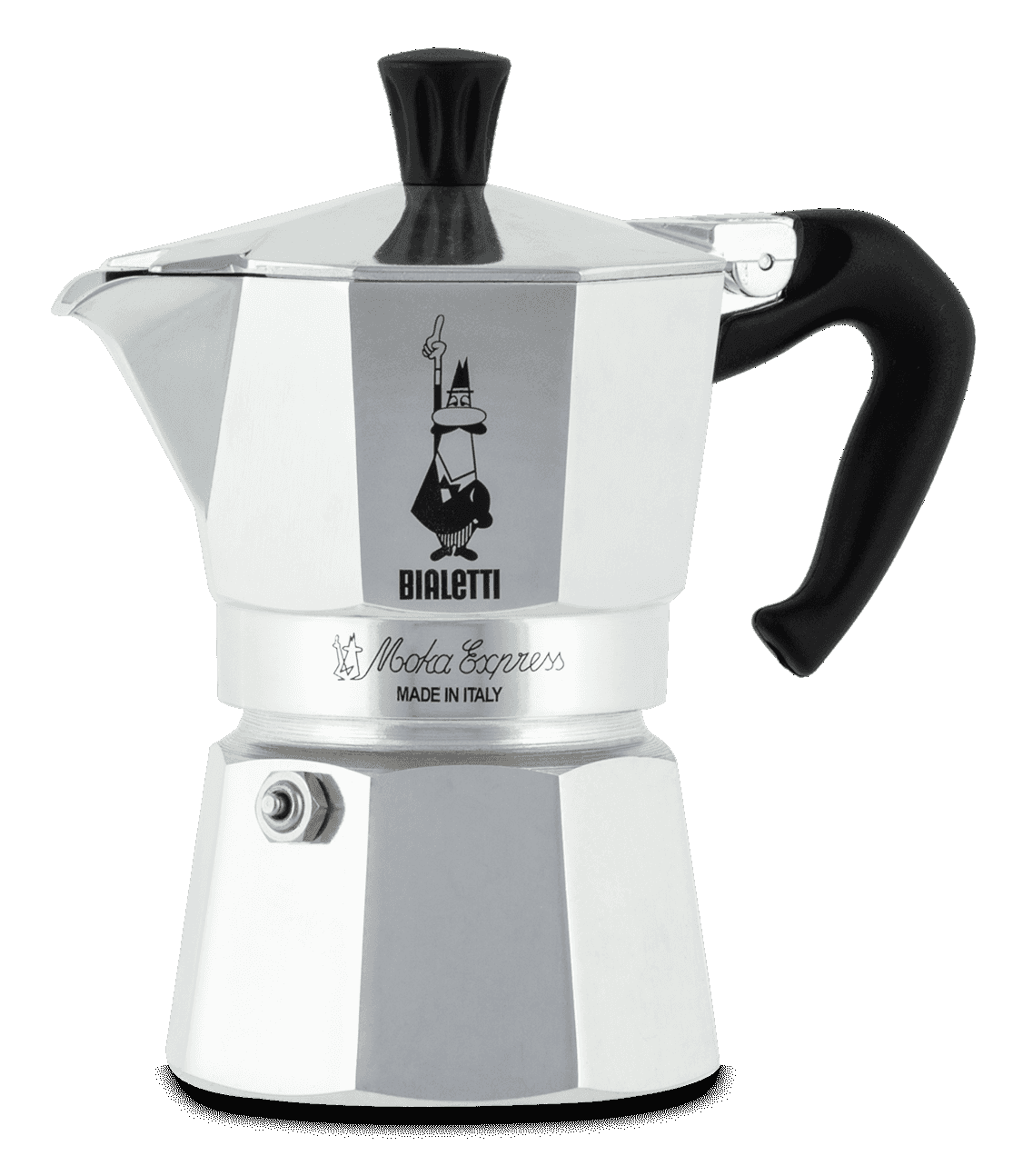
Dark roasts are ideal for espresso machines and moka pots.
Coffee Freshness: Why Roast Date Matters
Freshness directly affects taste. Therefore, always check the roast date, not the expiry date.
Important freshness tips:
-
Use coffee within 2–4 weeks of roasting
-
Avoid coffee without a roast date
-
Buy whole beans instead of ground coffee
As a result, fresh beans deliver better aroma and richer flavor.
Choosing Coffee Beans Based on Brewing Method
Different brewing methods require different types of beans.
Pour-Over / V60 / Chemex
-
Light to medium roast
-
Single-origin coffee
-
Fruity or floral notes
French Press
-
Medium to dark roast
-
Full-bodied beans
Espresso Machine
-
Medium-dark roast
-
Balanced blends
Drip Coffee Maker
Cold Brew
-
Medium to dark roast
-
Coarse grind
Because of this, always match the bean profile with your brewing style.
Coffee Processing Methods Explained Simply
Processing affects sweetness and body.
Washed Process
-
Clean and bright taste
-
Higher acidity
Natural Process
-
Fruity and sweet
-
Heavy body
Honey Process
-
Balanced sweetness
-
Smooth finish
If you enjoy complex flavors, you may like naturally processed coffee.
How to Read Coffee Labels Correctly
Good coffee packaging provides useful information.
Always look for:
-
Origin
-
Roast level
-
Processing method
-
Tasting notes
-
Roast date
Avoid products that only say “premium coffee” without details.
Grind Size and Its Role in Home Brewing
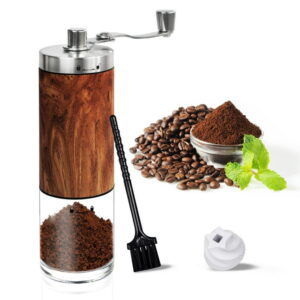
Grinding coffee properly is just as important as choosing good beans.
Recommended grind sizes:
-
Coarse → French press
-
Medium → Drip coffee
-
Fine → Espresso
For best results, grind your beans just before brewing.
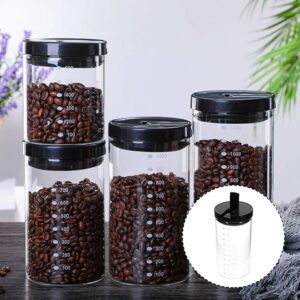
Proper Coffee Bean Storage at Home
Poor storage ruins even the best coffee beans.
Best storage tips:
-
Use an airtight container
-
Store in a cool, dark place
-
Avoid refrigerator storage
Because oxygen, light, and heat reduce freshness, proper storage is essential.
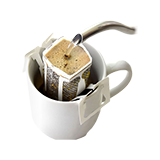
Convenient Option: Single-Origin Drip Coffee
If you want quality with convenience, single-serve drip coffee is a great option.
It is:
-
Pre-measured
-
Easy to brew
-
Travel-friendly
This option is perfect for beginners and busy coffee lovers.
Common Mistakes to Avoid When Buying Coffee Beans
Many people make simple mistakes.
Avoid these errors:
-
Buying coffee without a roast date
-
Choosing the wrong roast level
-
Using old or pre-ground coffee
-
Storing beans incorrectly
By avoiding these mistakes, your home-brewed coffee will improve instantly.
Health and Quality Considerations
High-quality coffee beans often contain:
-
More antioxidants
-
Fewer chemical residues
-
Better digestibility
For general background about coffee, you can read more here:
Health and Quality
Final Thoughts: How to Choose the Best Coffee Beans for Home Brewing
Choosing the best coffee beans for home brewing does not require expert skills. Instead, it requires the right information and simple habits.
Key takeaways:
-
Choose 100% Arabica beans
-
Match roast level with brewing method
-
Always check freshness
-
Store beans properly
-
Experiment with single-origin coffee
As a result, your home coffee will taste fresher, smoother, and more enjoyable every day.