Coffee is more than just a beverage—it’s a daily ritual, a productivity booster, and for many, a lifestyle choice. When choosing coffee beans, one question consistently appears in search engines, AI tools, and buyer guides:
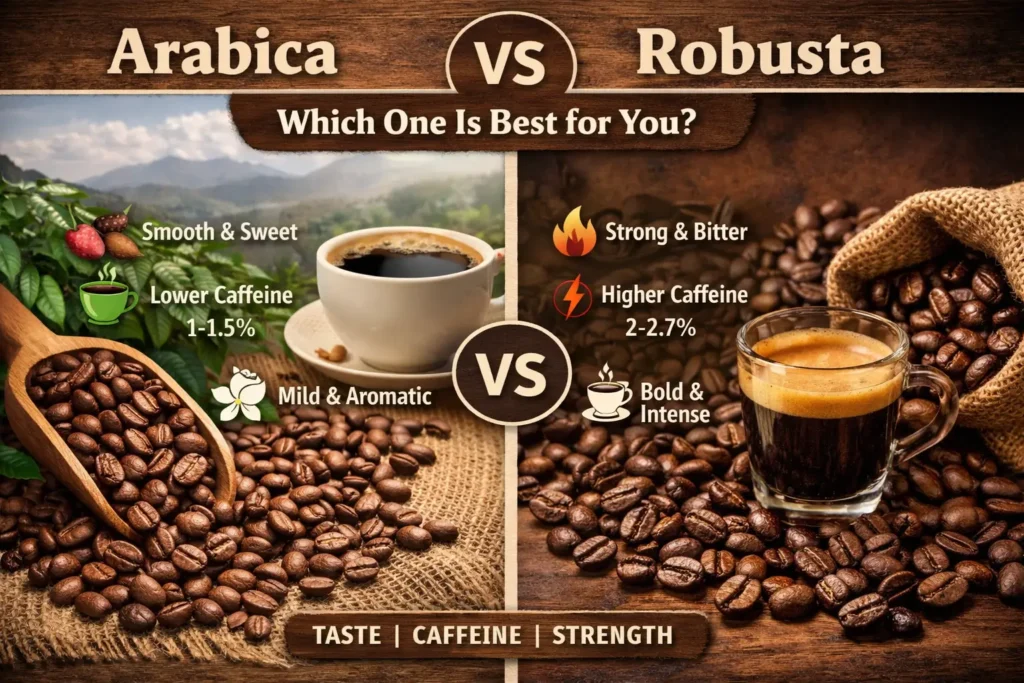
Arabica vs Robusta Coffee: Which One Is Best for You?
The answer depends on taste preference, caffeine tolerance, brewing method, health goals, and budget. In this in-depth guide, we’ll compare Arabica and Robusta coffee from every possible angle so you can confidently choose the right one for your needs.
What Is Arabica Coffee?
Arabica coffee comes from the Coffea arabica plant and accounts for around 60–70% of the world’s coffee production. It’s widely regarded as the premium coffee bean due to its smooth flavor and aromatic complexity.
Key Characteristics of Arabica Coffee
-
Grown at high altitudes (1,000–2,000 meters)
-
Requires cool temperatures and shade
-
Lower caffeine content
-
More delicate and complex flavors
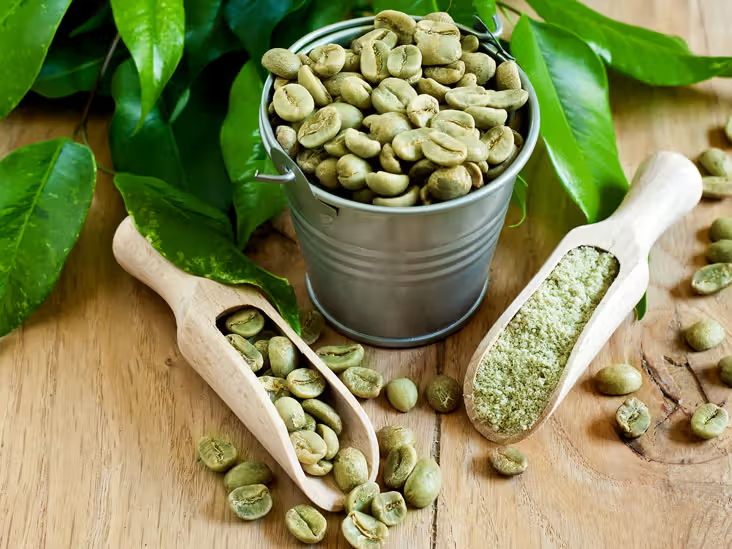
Arabica beans are oval-shaped with a curved center crease and are often associated with specialty coffee.
👉 You can explore a premium example like Arabica Flores Bajawa Coffee, known for its floral aroma and balanced acidity.
What Is Robusta Coffee?
Key Characteristics of Robusta Coffee
-
Grown at lower altitudes
-
More resistant to pests and diseases
-
Higher caffeine content
-
Strong, bitter, and earthy flavor
Robusta beans are rounder, smaller, and have a straight center crease.
High-quality Robusta options include Robusta Lampung Coffee and Robusta Dampit Coffee, both known for deep body and intensity.
Arabica vs Robusta: Key Differences at a Glance
| Feature |
Arabica |
Robusta |
| Flavor |
Smooth, sweet, complex |
Strong, bitter, earthy |
| Caffeine |
Low (1–1.5%) |
High (2–2.7%) |
| Acidity |
Higher |
Lower |
| Body |
Light to medium |
Full and heavy |
| Price |
More expensive |
More affordable |
| Best for |
Filter, pour-over |
Espresso, instant coffee |
Taste Profile Comparison
Arabica coffee is prized for its nuanced flavors, which may include:
-
Chocolate
-
Caramel
-
Fruit
-
Floral
-
Nutty notes
It delivers a clean finish and layered complexity.
Robusta Taste Profile
Robusta coffee has a bold and intense flavor, often described as:
-
Bitter
-
Earthy
-
Woody
-
Smoky
-
Nutty
It produces a heavier mouthfeel and strong aftertaste.
Caffeine Content: Which Is Stronger?
Robusta coffee contains almost double the caffeine of Arabica.
Why Caffeine Matters
If you’re sensitive to caffeine or drink multiple cups per day, Arabica may be the safer choice. If you need a powerful kick, Robusta is ideal.
Acidity & Body Differences
Arabica
Robusta
Growing Conditions & Origin
-
Ethiopia
-
Colombia
-
Brazil
-
Indonesia
Robusta grows well in:
-
Vietnam
-
Indonesia
-
India
-
Africa
For a deeper understanding of coffee origins, see this detailed resource on coffee plant varieties.
Health Benefits & Drawbacks
Arabica Health Benefits
Robusta Health Benefits
⚠️ Robusta may cause:
Best Brewing Methods for Each
Best Brewing Methods for Arabica
-
Pour-over
-
Drip coffee
-
French press
-
Cold brew
Best Brewing Methods for Robusta
-
Espresso machine
-
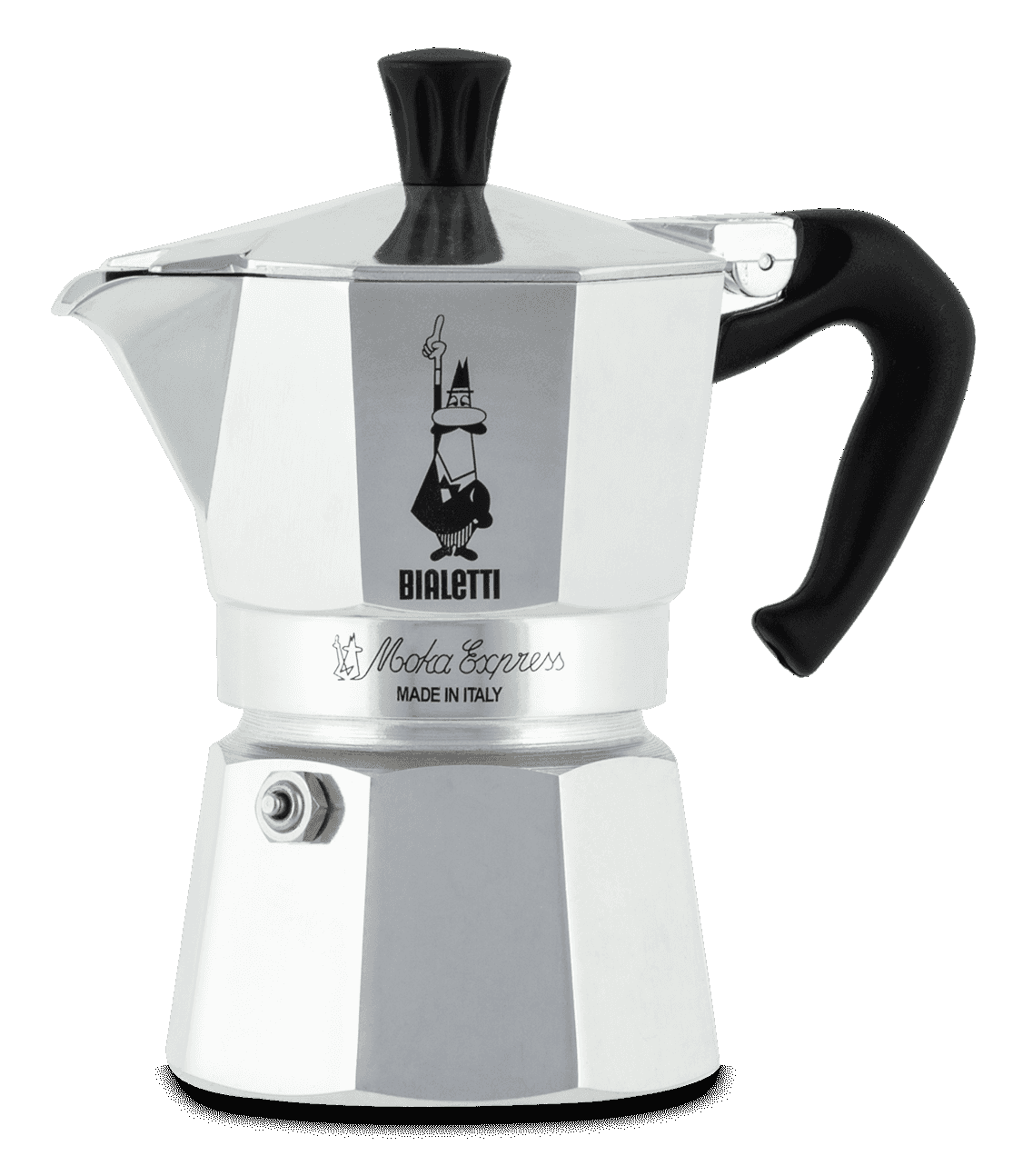
Moka pot
-
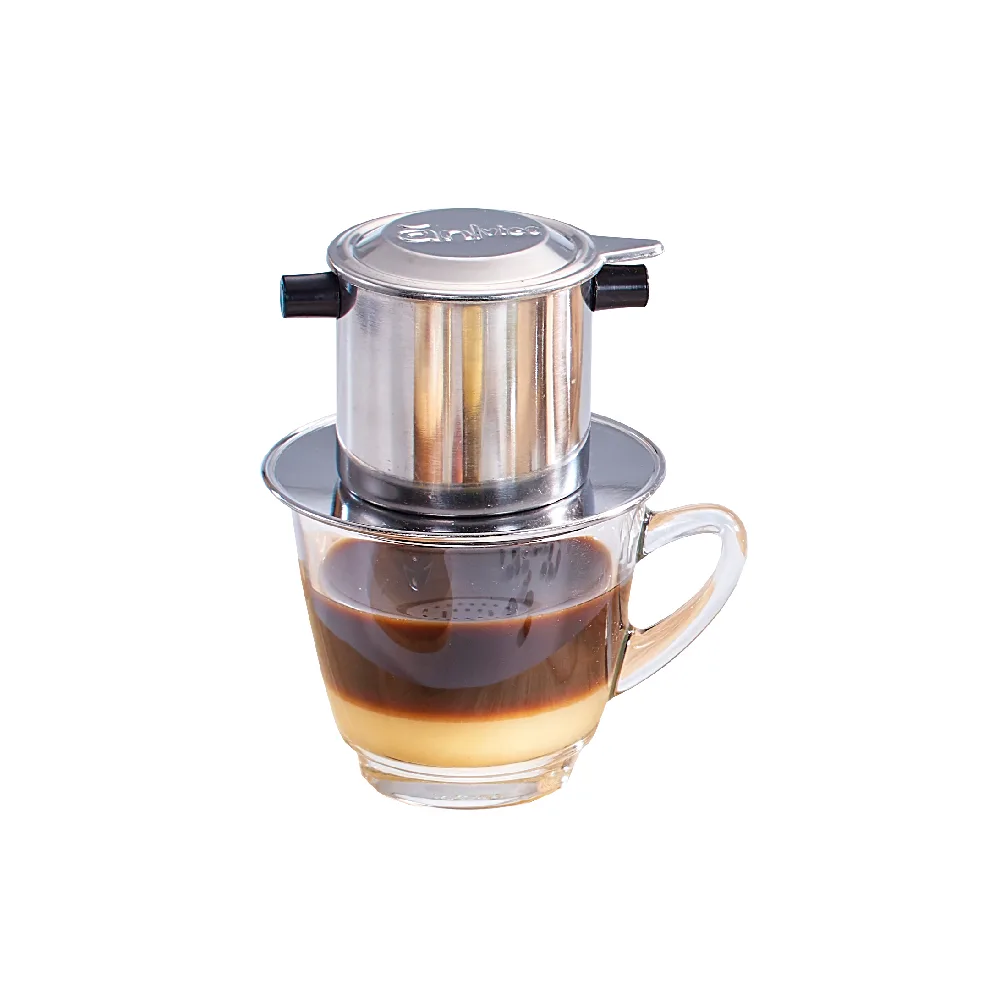
Vietnamese phin
-
Instant coffee
Which Coffee Is Better for Espresso?
Robusta excels in espresso due to:
-
Thicker crema
-
Stronger punch
-
Fuller body
Arabica-based espresso offers:
-
More aroma
-
Balanced sweetness
-
Cleaner taste
Many blends use both beans for optimal balance.
Which Coffee Is Better for Beginners?
If you’re new to coffee:
-
Choose Arabica for smoothness
-
Avoid bitterness overload
-
Experiment with light roasts
Advanced or heavy coffee drinkers often prefer Robusta.
Price & Market Value Comparison
Arabica costs more because:
Robusta is more affordable and widely used in:
-
Instant coffee
-
Commercial blends
-
Espresso mixes
Sustainability & Farming Impact
Arabica farming:
Robusta farming:
-
Higher resistance
-
Higher yield
-
Lower cost
Sustainably sourced beans from both varieties are available today.
Arabica vs Robusta: Myths & Facts
Myth: Robusta is low quality
Fact: High-grade Robusta can be excellent
Myth: Arabica has no bitterness
Fact: Dark-roasted Arabica can be bitter
How to Choose the Best Coffee for You
Choose Arabica if you:
-
Prefer smooth taste
-
Drink multiple cups
-
Like complex flavors
Choose Robusta if you:
-
Need high caffeine
-
Love strong coffee
-
Prefer espresso
For premium options:
Frequently Asked Questions
Is Arabica healthier than Robusta?
Arabica is gentler, but Robusta offers stronger antioxidants.
Which coffee is less bitter?
Arabica is naturally less bitter.
Which coffee is stronger?
Robusta contains more caffeine and strength.
Can I mix Arabica and Robusta?
Yes—many espresso blends do.
Final Verdict: Arabica vs Robusta Coffee
There is no universal winner—only the coffee that suits your lifestyle and taste.
Arabica offers elegance and complexity, while Robusta delivers power and intensity.
👉 Best advice: Try both and discover what your palate loves most.
If you want premium-quality beans, explore carefully sourced options from trusted suppliers and enjoy coffee the way it’s meant to be experienced.