Indonesian coffee has a cult following among specialty roasters for one big reason: flavor diversity shaped by volcanoes, altitude, humidity, and tradition. From syrupy, wine-like naturals to the famously heavy Giling Basah (wet-hulled) profile, Indonesia offers cups you simply don’t find elsewhere.
In Bangladesh, where café culture is rapidly maturing in Dhaka, Chattogram, and beyond, curious drinkers are moving past generic blends and asking for single-origin experiences. This guide introduces the best Indonesian specialty coffees you should look for locally—especially the rare Natural-process lots that deliver fruit, sweetness, and depth in the cup.
Why Indonesian Coffee Is So Special
Three forces define Indonesian coffee:
- Volcanic terroir along the Pacific Ring of Fire → mineral richness and depth
- Extreme microclimates across 18,000+ islands → wide flavor spectrum
- Unique processing, especially Giling Basah and rare Naturals
- Smallholder craftsmanship → careful hand-picking and traditional care
While wet-hulled coffees are earthy and low-acid, Natural (dry) process Indonesians are fruitier, sweeter, and more complex because the bean dries inside the cherry for weeks.
Why Natural-Process Indonesian Coffee Is Expensive (and Worth It)
| Feature |
Natural Indonesian Coffee |
Commercial Washed Coffee |
| Primary taste |
Fruity, winey, sweet, earthy |
Clean, bright, acidic |
| Mouthfeel |
Heavy, syrupy, thick |
Light, tea-like |
| Drying time |
20–30 days |
5–10 days |
| Risk level |
Very high (mold/rain) |
Low |
| Rarity |
Very rare in Indonesia |
Common |
Why the price is higher:
- Indonesia is humid and rainy → cherries can rot during 30-day drying
- Workers must turn cherries many times daily
- Producers build dryhouses/domes to protect from tropical downpours
- Naturals are a tiny fraction of total output (most is Robusta or wet-hulled Arabica)
The payoff? Strawberry jam, tropical fruit, molasses, spice, and a wine-like body you won’t get from standard coffees.
Top Indonesian Specialty Coffees to Try in Bangladesh
1) Toraja Natural (Sulawesi) — “Queen of Coffee”
Often called the Masterpiece of Celebes, Toraja grows at 1,200–2,100 m in volcanic soil.
Cup profile
- Dark chocolate, ripe fruit, cinnamon/ginger spice
- Low–medium acidity, creamy full body
- Fragrant, spice-forward aroma
Culture
- Central to Torajan hospitality and ceremonies
- Nicknamed “Black Gold” for its value
Best brew: V60, French press, espresso
2) Mandheling Natural (Sumatra) — Syrupy & Sweet
Mandheling is famous for earthy depth. As a natural, it keeps the weight but adds intense sweetness and fruit.
Cup profile
- Dark chocolate, warm spice, dried fruit
- Heavy, syrupy mouthfeel
- Low acidity, long finish
Best brew: Espresso, moka pot, French press
3) Gayo Highlands Natural (Aceh) — Fruity Revelation
Gayo is usually wet-hulled and earthy. As a natural, it becomes jammy, floral, and bright.
Cup profile
- Strawberry, tropical fruit, honey
- Syrupy body, clean sweet finish
- Floral aromatics
Best brew: V60/Kalita, cold brew, filter
4) Kintamani Natural (Bali) — Bright Citrus Elegance
Unlike earthy Sumatras, Kintamani is citrusy and clean, influenced by volcanic soil and intercropping with oranges.
Cup profile
- Lemon, orange, tangerine, floral
- Light–medium body, juicy acidity, low bitterness
- Sweet, clean finish
Heritage
- Managed by Subak Abian cooperatives
- Indonesia’s first GI-certified coffee (2008)
Best brew: Pour-over, AeroPress, iced filter
5) Temanggung Natural Robusta (Java) — Espresso Powerhouse
A premium Robusta with GI status, grown near Mount Sumbing & Sindoro.
Cup profile
- Tobacco, dark chocolate, clove/pepper
- Very heavy body, ultra-low acidity
- Thick, stable espresso crema
Best use: Espresso blends, milk drinks, moka pot
6) Flores Natural (Bajawa & Manggarai) — The Hidden Gem
Cleaner and sweeter than many Sumatras, Flores shines with chocolate-nut sweetness and florals.
Cup profile
- Hazelnut, caramel, dark chocolate, citrus, flowers
- Medium-full body, moderate acidity
- Honey/natural lots bring syrupy fruit sweetness
Best brew: Pour-over, French press, batch brew
How to Brew Indonesian Naturals for Best Results
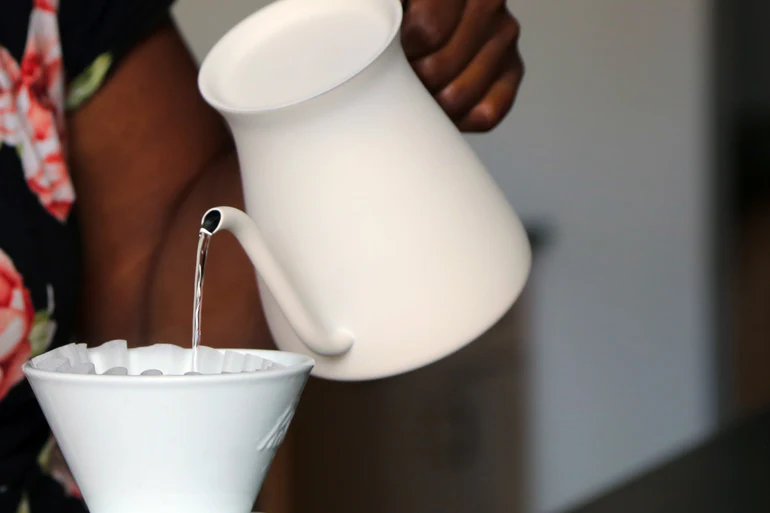
- Pour-over (V60/Kalita): Highlights fruit, florals, clarity (Gayo, Kintamani, Flores)
- French press: Accentuates body and chocolate (Toraja, Mandheling)
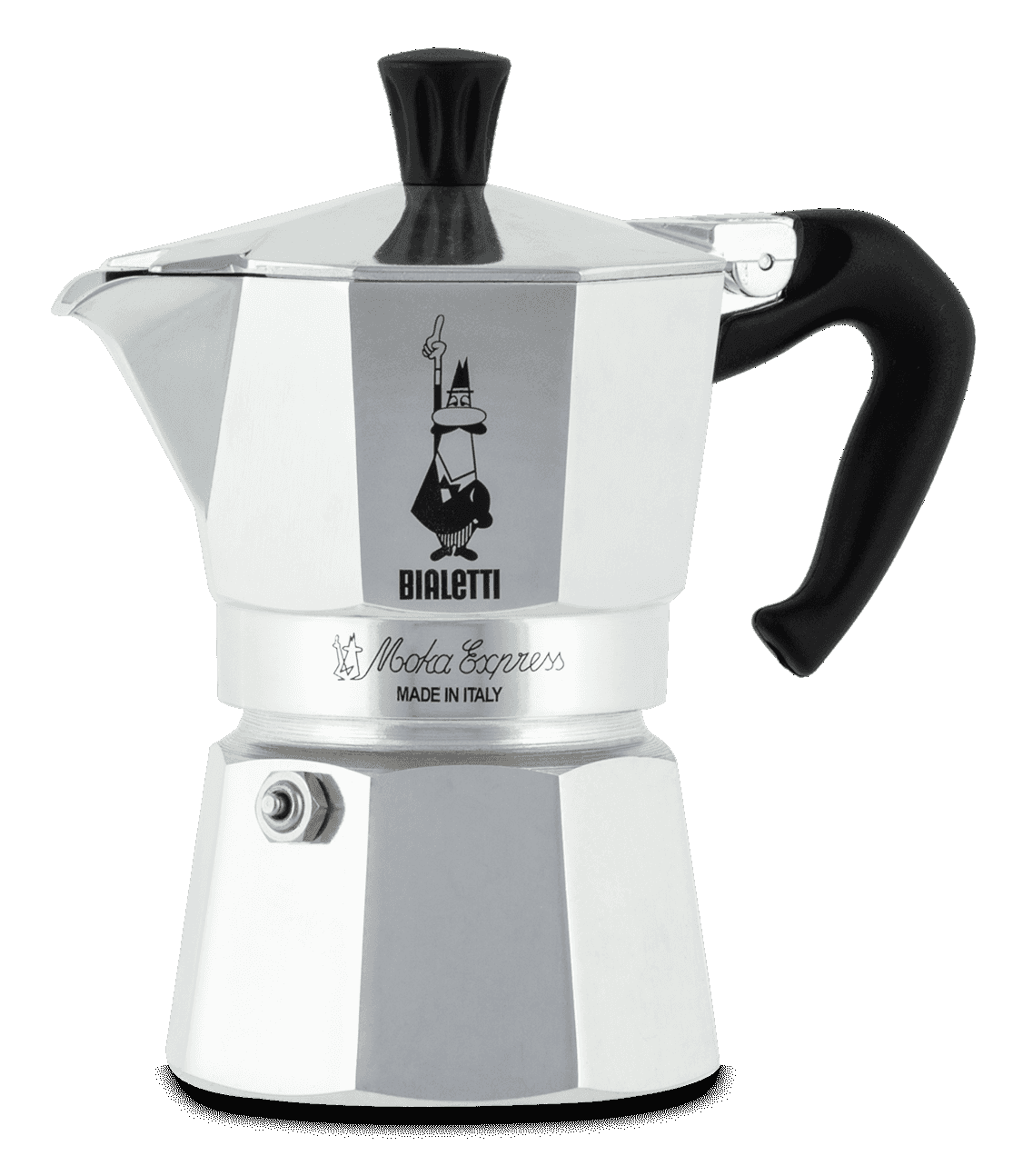
- Espresso/Moka pot: Perfect for Mandheling & Temanggung Robusta
- Cold brew: Turns Gayo/Kintamani into sweet “fruit juice”
Tip: Use slightly coarser grind and lower water temperature (90–92°C) to control funkiness and emphasize sweetness.
Where to Find Indonesian Specialty Coffee in Bangladesh
Look for these origins at specialty cafés and roasters in Dhaka and Chattogram. Ask specifically for:
- “Indonesia Natural process”
- “Toraja / Gayo / Kintamani single origin”
- “Temanggung Robusta for espresso”
Many premium roasters rotate Indonesian lots seasonally—so availability changes. If you see one, try it.
Final Sip
Indonesian specialty coffee is not subtle—it’s bold, sweet, spicy, fruity, and unforgettable. For Bangladeshi coffee lovers ready to explore beyond standard profiles, these beans offer a world tour in a cup.
Start with Toraja for balance, Gayo for fruit, Kintamani for citrus brightness, Mandheling for syrupy depth, Flores for chocolate-nut elegance, and Temanggung when you want espresso muscle.
Your next favorite cup might just come from a volcano.