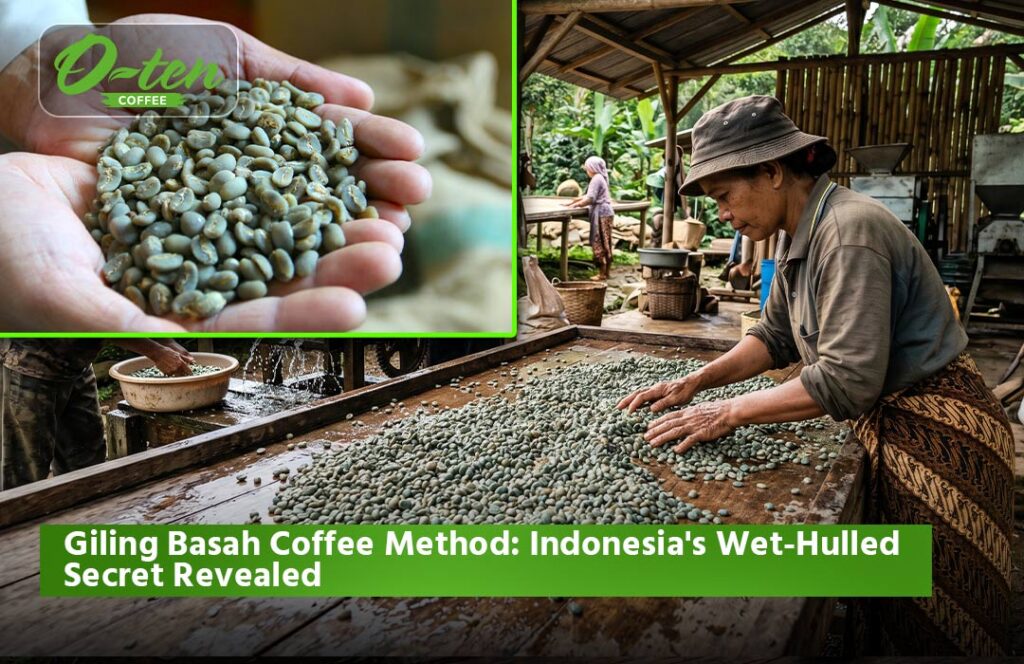
Giling Basah Coffee Method: Indonesia’s Wet-Hulled Secret Revealed
Imagine sitting in your favorite coffee shop on a rainy morning. A warm cup of coffee is placed in front of you. As the steam rises, you notice a rich aroma that feels different from the coffees you usually drink. You take a sip and taste deep earthy notes, a smooth texture, and a bold flavor that stays with you long after the cup is empty. Many coffee lovers have this experience when they try coffee made using the Giling Basah method.
Coffee lovers around the world are always searching for something new and exciting. While many people know about washed, natural, and honey-processed coffees, fewer people know about Giling Basah. This unique coffee processing method comes from Indonesia, a country famous for producing some of the world’s most distinctive coffees.
The story of Giling Basah begins in Indonesia’s tropical coffee-growing regions, where heavy rainfall and high humidity create challenges for coffee farmers. Instead of following the same processing methods used in other countries, local farmers developed their own approach. This special method helped them process coffee more efficiently while creating a flavor profile that coffee drinkers would come to love.
Today, Giling Basah is known for producing coffees with rich body, earthy flavors, and a smooth drinking experience. It has become an important part of Indonesia’s coffee culture and a favorite among coffee enthusiasts worldwide. In this guide, we will explore what Giling Basah means, how it works, why farmers use it, and what makes its flavor so special.
What Is Giling Basah?
Giling Basah means “wet hulling” in Indonesian. It is a traditional coffee processing method that has been used in Indonesia for many years. Unlike other processing methods, coffee beans are hulled while they still contain a higher level of moisture. This unique step gives the coffee its well-known flavor profile.
Today, Giling Basah is strongly connected with Indonesian coffee. Many coffee-growing regions use this process because it works well with the local climate and helps farmers prepare coffee more quickly.
Why Indonesia Uses the Giling Basah Method
Indonesia has a tropical climate with frequent rainfall and high humidity. These weather conditions make it difficult to dry coffee beans completely before processing.
Because of this challenge, farmers developed the Giling Basah method. Instead of waiting for the beans to dry fully, they remove the outer parchment layer earlier in the process. This allows farmers to continue drying the beans after hulling. The method saves time and helps coffee production continue even during wet seasons. As a result, Giling Basah became one of the most important coffee processing methods in Indonesia.
How the Giling Basah Process Works
The process may seem simple, but each step plays an important role in shaping the final flavor.
Step 1: Harvesting Ripe Coffee Cherries
- The journey begins when farmers pick ripe coffee cherries from the coffee trees.
- Choosing ripe cherries is important because quality coffee starts with quality fruit. Healthy cherries help create better flavors in the final cup.
Step 2: Removing the Outer Skin
- After harvesting, farmers remove the outer skin of the coffee cherry.
- This leaves the coffee bean covered by a sticky layer called mucilage.
Step 3: Short Fermentation
- The beans are left for a short fermentation period.
- This step helps loosen the sticky layer and prepares the beans for washing.
Step 4: Washing the Beans
- The beans are washed to remove the remaining mucilage.
- At this stage, the beans still contain a large amount of moisture compared to fully washed coffee methods.
Step 5: Partial Drying
- The beans are partially dried.
- Instead of reaching a very low moisture level, they are dried only enough to allow the next processing step.
Step 6: Wet Hulling
- This is the most important stage. Farmers remove the parchment layer while the beans are still moist. This step is what makes the process unique and gives it the name Giling Basah.
Step 7: Final Drying
- After wet hulling, the beans continue drying until they reach the proper moisture level.
- Once drying is complete, the beans are ready for sorting, roasting, and brewing.
What Makes Giling Basah Different?
Many coffee-producing countries use washed, natural, or honey processing methods. Indonesia’s Giling Basah method stands out because the beans are hulled much earlier. In fully washed processing, coffee beans remain inside their parchment layer until they are almost completely dry.
With Giling Basah, the parchment is removed when the beans still contain significant moisture. This small change creates a big difference in flavor, aroma, texture, and appearance.
The Unique Flavor of Giling Basah Coffee
One reason coffee lovers enjoy Giling Basah coffee is its distinctive flavor. The process creates characteristics that are difficult to find in coffees from other regions.
Common flavor notes include:
- Earthy tones
- Dark chocolate flavors
- Herbal notes
- Woody characteristics
- Mild spice flavors
- Rich aroma
These flavors make Indonesian coffee memorable and easy to recognize.
Rich Body and Smooth Texture
Giling Basah coffee is often known for its full body.Body refers to how heavy or rich the coffee feels in your mouth. Many coffee drinkers enjoy the smooth and rich texture that comes from this processing method. The result is a satisfying cup that feels bold without being overwhelming.
Lower Acidity for Easy Drinking
Many coffee drinkers prefer coffee with lower acidity. Giling Basah processing often produces coffee with softer acidity compared to some fully washed coffees. This creates a smoother drinking experience and allows the deeper flavor notes to shine. For people who enjoy balanced coffee, this can be a major advantage.
Why Coffee Roasters Love Giling Basah Beans
Coffee roasters around the world appreciate Indonesian wet-hulled coffee for several reasons.
-
Unique Flavor Profile: The flavors are different from many coffees grown in Africa or South America. This uniqueness helps roasters offer something special to customers.
-
Strong Identity: Giling Basah coffee has a strong connection to Indonesia.Customers often look specifically for Indonesian coffees because they know what flavor profile to expect.
-
Excellent Blending Coffee: The rich body and bold character make these beans useful in coffee blends. They can add depth, balance, and complexity to many roast profiles.
-
Coffee Regions Famous for Giling Basah:
-
Several Indonesian coffee-growing areas use this processing method. These regions are known for producing high-quality beans with distinctive flavors.
-
Sumatra: Sumatra is perhaps the most famous region associated with Giling Basah. Many Sumatran coffees are known for their earthy character, rich body, and deep aroma.
-
Aceh: Aceh produces premium coffee with complex flavors and a smooth finish. The region has become popular among specialty coffee buyers worldwide.
-
Java: Java has a long coffee-growing history. Some farms use traditional processing methods that contribute to the region’s unique taste.
Other Indonesian Regions
Many other coffee-producing areas also use wet-hulling techniques depending on local conditions and farming traditions.
How Climate Influences the Process
Indonesia’s weather plays a major role in the popularity of Giling Basah.
The country experiences:
- High humidity
- Frequent rainfall
- Tropical temperatures
These conditions make complete drying more difficult.
Wet hulling offers a practical solution that fits the environment and supports coffee production throughout the year.
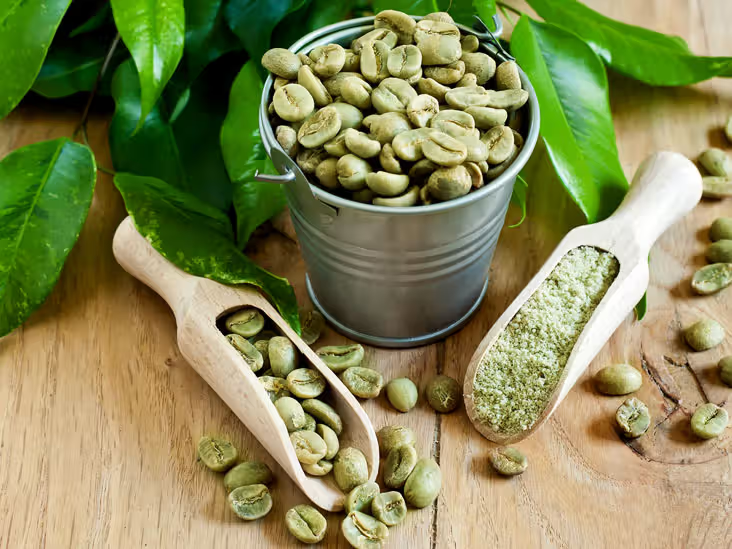
Appearance of Wet-Hulled Coffee Beans
Giling Basah beans often look different from beans processed using other methods.
They may have:
- A darker green color
- Slightly irregular shapes
- A unique surface texture
These visual differences are another sign of the wet-hulled process.
Giling Basah and Specialty Coffee
Specialty coffee buyers often seek unique coffees with distinct stories and flavors.
Giling Basah coffee fits perfectly into this category. The process reflects local traditions, climate conditions, and generations of farming knowledge. As global coffee interest grows, more people are discovering the special qualities of Indonesian wet-hulled coffee.
Best Brewing Methods for Giling Basah Coffee
Different brewing methods can highlight different flavors.
French Press: French Press brewing helps bring out the rich body and deep flavors. Many coffee lovers choose this method to enjoy the full character of wet-hulled coffee.
Pour-Over: Pour-over brewing creates a clean cup while still allowing the coffee’s unique flavor notes to shine.
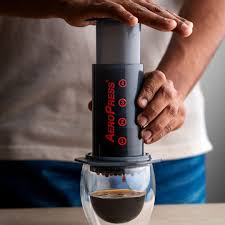
AeroPress: AeroPress offers a balanced cup with a good body and smooth texture.
Drip Coffee: Drip brewing provides an easy way to enjoy the earthy and chocolate-like flavors of Giling Basah coffee.
Tips for the Best Flavor
To get the most from your coffee:
- Use freshly roasted beans
- Grind coffee just before brewing
- Use clean, filtered water
- Follow proper brewing ratios
- Store beans in an airtight container
These simple habits can improve the taste of every cup.
Why Coffee Lovers Around the World Choose Giling Basah
Coffee drinkers are always searching for unique experiences. Giling Basah coffee offers something different from many other coffee styles.
People enjoy it because of:
- Rich body
- Deep aroma
- Earthy flavor notes
- Smooth drinking experience
- Indonesian coffee heritage
These qualities have helped Indonesian coffee earn a strong reputation in global coffee markets.
The Future of Giling Basah Coffee
The popularity of specialty coffee continues to grow. As more people explore coffee origins and processing methods, interest in Giling Basah coffee is increasing.
Coffee professionals, roasters, and home brewers appreciate the unique flavors that this traditional Indonesian method creates. Its combination of history, practicality, and flavor ensures that Giling Basah will remain an important part of Indonesia’s coffee culture for years to come.
Frequently Asked Questions
Q. What does Giling Basah mean?
Giling Basah means “wet hulling” in Indonesian. It is a traditional coffee processing method used mainly in Indonesia.
Q. Why is Giling Basah special?
The beans are hulled while they still contain moisture. This creates unique flavors and a rich body.
Q. What does Giling Basah coffee taste like?
It often has earthy notes, chocolate flavors, herbal characteristics, and a smooth finish.
Q. Which country uses Giling Basah?
Indonesia is the country most closely connected with the Giling Basah process.
Q. Is Giling Basah coffee acidic?
It generally has lower acidity than many fully washed coffees, making it smooth and easy to drink.
Q. Which brewing method is best for Giling Basah coffee?
French Press, pour-over, AeroPress, and drip brewing all work well for highlighting its unique flavors.
Conclusion
The Giling Basah coffee method is more than just a way of processing coffee—it is a tradition that has helped Indonesia earn a special place in the global coffee industry. Created to work with the country’s humid and rainy climate, this unique wet-hulled process gives coffee a flavor profile that is difficult to find anywhere else. Every cup tells a story of local farming knowledge, generations of experience, and a deep connection to the land where the coffee is grown.
What makes Giling Basah so special is the way it transforms the coffee’s taste and texture. The process helps create a rich body, smooth mouthfeel, earthy notes, and a deep aroma that many coffee lovers enjoy. Instead of bright and sharp flavors, these coffees often offer a fuller and more comforting drinking experience. This is one reason why Indonesian coffees processed using Giling Basah are highly valued by roasters and coffee enthusiasts around the world.
From the lush coffee farms of Sumatra and Aceh to coffee shops in major cities across the globe, Giling Basah continues to attract people who want something different in their cup. If you are looking to explore new coffee flavors, this Indonesian processing method is worth trying. One sip can introduce you to a world of rich character, unique taste, and a coffee tradition that has stood the test of time.