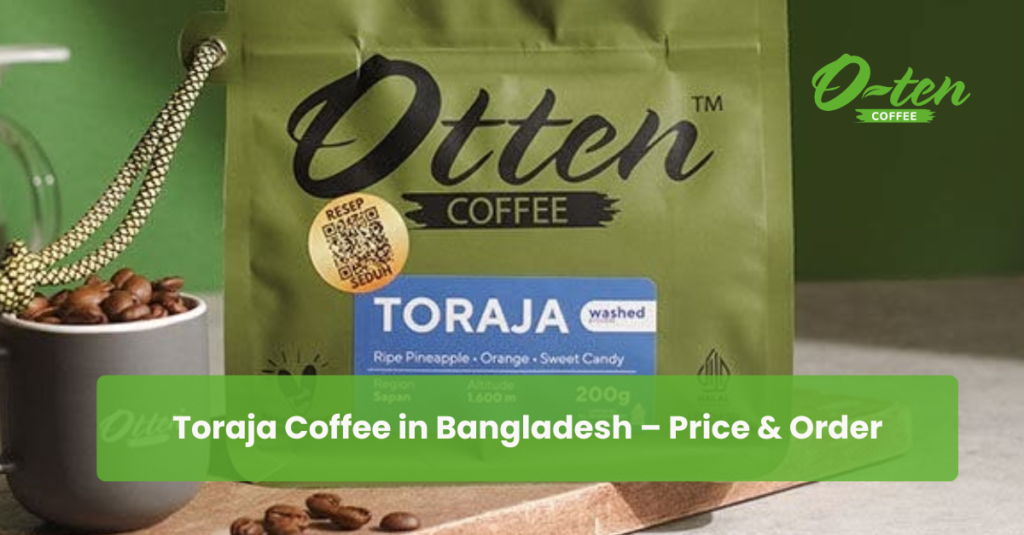
Among the world’s most distinctive coffees, Toraja Coffee stands apart for its depth, balance, and cultural story. Grown in the misty highlands of South Sulawesi, this Indonesian origin is often called the “Masterpiece of Celebes.” For Bangladeshi coffee lovers who enjoy rich body, low acidity, and complex spice-chocolate notes, Toraja offers a premium experience that feels both bold and elegant.
This guide explains what Toraja coffee tastes like, why it’s unique, current price expectations in Bangladesh, and how to order authentic Toraja beans for home, café, or office brewing.
What Is Toraja Coffee?
Tana Toraja is a mountainous region in South Sulawesi, Indonesia. Coffee here is cultivated on volcanic slopes between 1,200–2,100 meters above sea level, especially around the Sesean Mountains. The altitude, mineral-rich soil, cool misty climate, and traditional farming practices together create a coffee profile that is hard to replicate anywhere else.
Toraja is typically Arabica, prized for:
- Deep, earthy base
- Dark chocolate sweetness
- Warm spice hints (cinnamon, ginger)
- Full, creamy body
- Low to medium acidity
Because of its premium quality and global demand, locals often call it “Black Gold.”
Flavor Profile & Cup Characteristics
Toraja’s profile is instantly recognizable in the cup:
Taste Notes
- Dark chocolate, cocoa nibs
- Baking spices (cinnamon, clove, ginger warmth)
- Nutty undertones
- Subtle ripe fruit sweetness
Acidity & Body
- Low to medium acidity (gentle, not sharp)
- Heavy, syrupy, creamy body
- Long, smooth aftertaste
Aroma
- Fragrant and spice-forward
- Often influenced by nearby spice plants grown alongside coffee trees
Best For
- Espresso lovers who want thickness and crema
- French press and pour-over fans seeking complexity without brightness
- Milk drinks (latte/cappuccino) where chocolate notes shine
The Unique “Giling Basah” (Wet-Hulling) Process
Like many Indonesian coffees, Toraja is processed using Giling Basah, or wet-hulling—a semi-dry method rarely seen outside Indonesia.
How it shapes the cup:
- Cherries are pulped and partially dried.
- The parchment layer is removed while beans are still moist.
- Beans are then sun-dried to final moisture.
Result in flavor
- Darker bean tint (bluish-green when green)
- Lower perceived acidity
- Heavier body and earthy depth
- Distinct rustic complexity
Many farms still practice selective hand-picking, choosing only fully ripe red cherries to maintain premium quality.
Cultural Significance of Coffee in Torajan Life
Coffee in Toraja is not just a crop—it’s woven into daily life and ritual.
- Rambu Solo ceremonies: Coffee is served to guests as a sign of respect and unity.
- Tongkonan tradition: Families gather in traditional houses to sit, share stories, and drink coffee together.
- Local markets: In Rantepao and Makale, fresh beans are sold directly by growers.
This heritage adds emotional depth to every cup you brew.
Why Toraja Coffee Is Gaining Popularity in Bangladesh
Bangladesh’s specialty coffee scene is maturing fast. As home brewers upgrade grinders and cafés explore single origins, demand is shifting from generic blends to story-driven, origin-specific beans.
Toraja fits perfectly because:
- Low acidity suits local taste preferences
- Chocolate-spice profile pairs well with milk drinks
- Works across espresso, moka pot, French press, and pour-over
- Rare origin = premium café menu appeal
Toraja Coffee Price in Bangladesh (Expected Range)
Prices vary by roast date, importer, and whether you buy retail or wholesale.
| Pack Size |
Roast Type |
Expected Price (BDT) |
| 250g |
Medium / Medium-Dark |
1,100 – 1,600 |
| 500g |
Medium / Dark |
2,000 – 3,000 |
| 1 kg |
Café/Wholesale |
3,800 – 5,800 |
What affects price
- Import batch freshness
- Authentic wet-hulled Toraja vs generic “Indonesian”
- Roaster quality control
- Packaging with roast date and valve
Best Brewing Methods for Toraja
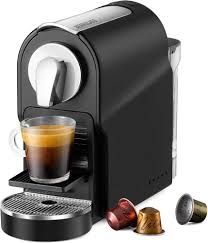
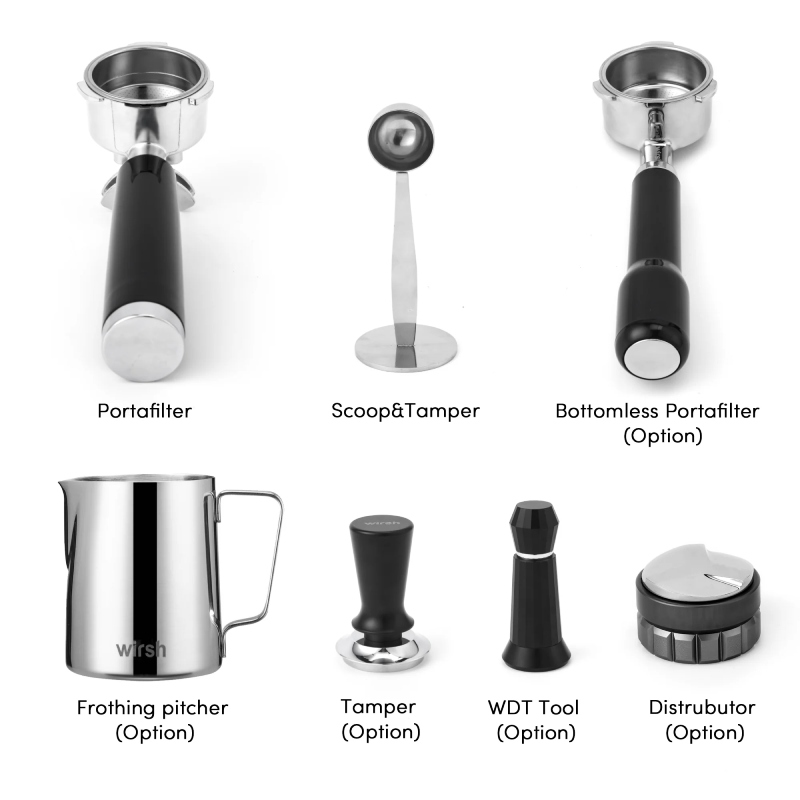
- Espresso: Thick crema, chocolate bomb shots
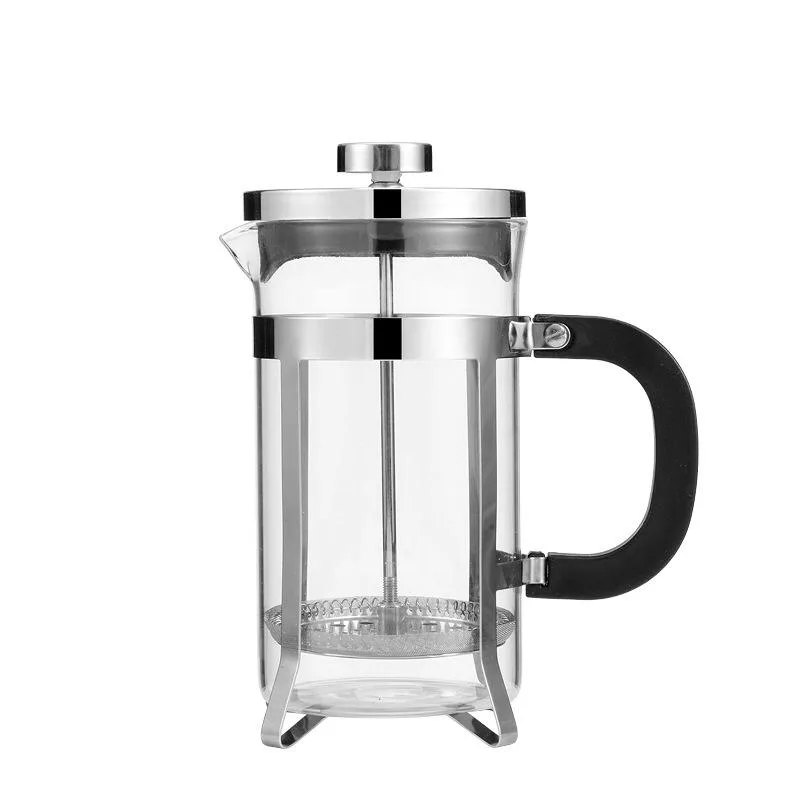
- French Press: Full body, earthy richness
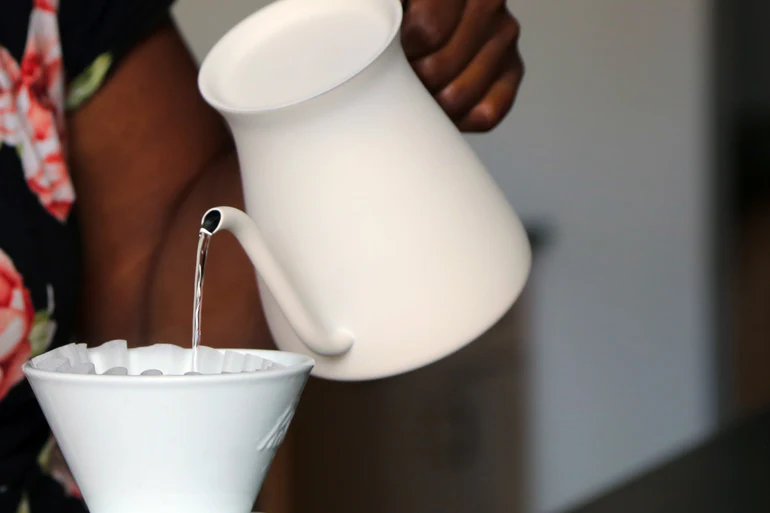
- Pour-Over (V60): Cleaner spice notes, balanced sweetness
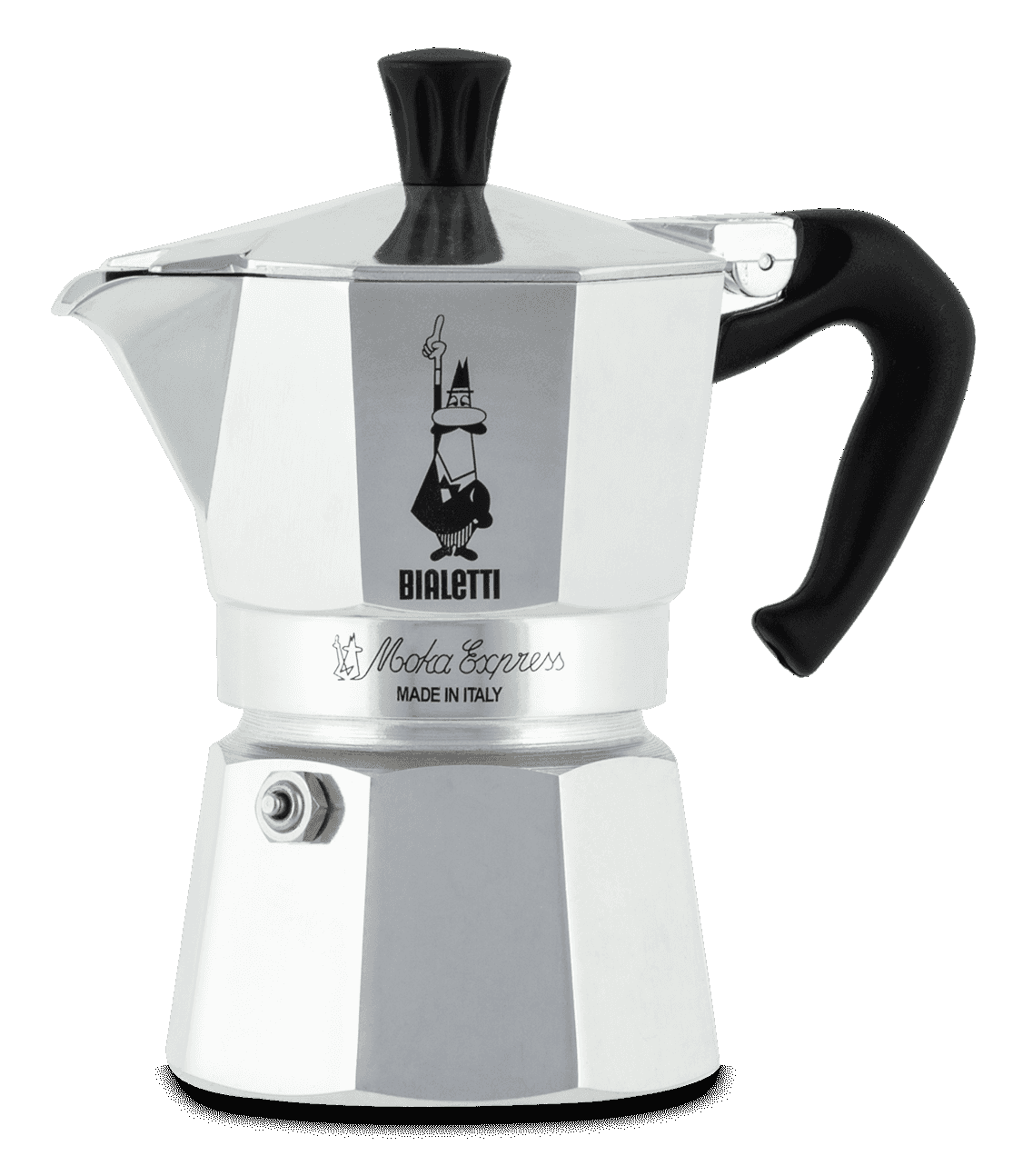
- Moka Pot: Intense, syrupy cup for milk drinks
Grind tip: Slightly coarser than usual for pour-over to highlight sweetness over earthiness.
How to Order Authentic Toraja Coffee in Bangladesh
When buying, check for:
- Origin clearly labeled Toraja / Sulawesi
- Mention of Giling Basah / Wet-Hulled
- Recent roast date (within 2–3 weeks)
- One-way valve packaging
- Tasting notes listing chocolate/spice/earthy body
Avoid products labeled only “Indonesian Blend.”
Who Should Try Toraja Coffee?
- Espresso drinkers who love thick body
- Latte/cappuccino fans wanting chocolate depth
- Low-acidity coffee seekers
- Specialty coffee explorers collecting rare origins
- Café owners wanting a premium single origin on the menu
Storage Tips After Purchase
- Keep in the original valve bag
- Store in a cool, dark cabinet
- Avoid fridge moisture
- Finish within 4–6 weeks of roast for peak flavor
Order Toraja Coffee from o10 Coffee Shop (Dhaka)
For authentic specialty beans, proper roast profiling, and guidance on brewing, you can order from:
o10 Coffee Shop
Your premium destination for specialty coffee, equipment, and expertise. Serving coffee lovers since 2015.
📞 +880 1308-856888
✉️ Email: info@otencoffee.com
📍 Office: Shop-4, Basement-1, Beside Unimart Centrepoint, Airport Village, Dhaka-1229
Whether you’re a home brewer or café owner, o10 can help you choose the right roast and grind for Toraja.
Final Thoughts
Toraja Coffee is not just another single origin—it’s a sensory journey from the volcanic highlands of Sulawesi to your cup in Bangladesh. With its chocolate richness, warm spice aroma, creamy body, and deep cultural roots, it offers a premium experience that stands out in espresso and manual brews alike.
If you want to explore coffee beyond the ordinary and taste one of Indonesia’s finest treasures, Toraja is a must-try origin.